Erotic or intensely pleasurable focus on hair, grooming, styling or related sensory cues.
Back to the glossaryBody & object focus
Hair fetish
Also known as trichophilia
An erotic focus on hair, which can include its texture, style, colour, scent, cutting or grooming. The term may refer to head hair or, depending on the person, another specific type of body hair.
Body & object focus
In brief
Texture, movement and identity can all sit inside one label.
Hair fetish, or trichophilia, is an adult erotic focus on hair, its appearance or the sensations and rituals around it. The focus may be head hair, facial hair or another explicitly agreed body-hair context, and can involve texture, movement, colour, scent, styling or symbolism. Interest in hair is not the same as permission to touch it, change it or keep a cutting.
A separate touch or pain interest that adds scalp, neck and consent considerations.
A transformation or control theme involving imagined or negotiated change; it need not involve actual cutting.
Hair care, fashion, religion or cultural practice with no necessary erotic meaning.
A thin evidence base
Hair appears as a body-feature category in online fetish research, but dedicated trichophilia studies are rare. Scorolli and colleagues measured the relative size of internet discussion groups, not the percentage of people with an interest or the meaning it had for members.
Broad kink surveys document varied sensory and grooming activities but cannot establish a cause, typical gender or fixed developmental story. Research has even less to say about how culture, race, religion and gender presentation shape individual meanings.
Hair, tools and symbolism
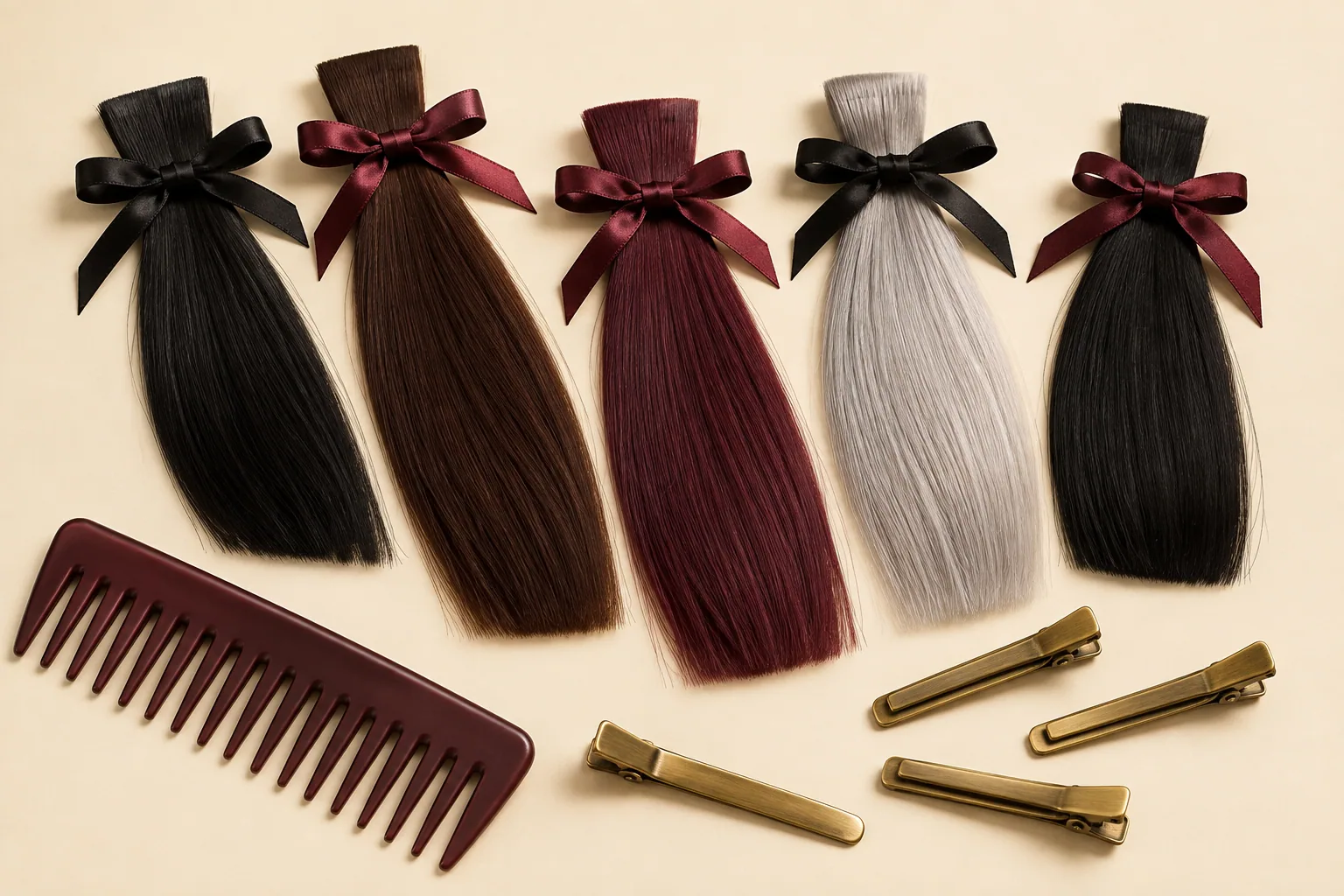
Non-graphic objects may include clean synthetic salon swatches, ribbons, combs, clips, an unworn wig or a sealed fragrance-free product. Texture, length, movement, contrast, controlled styling and transformation may each be part of the appeal.
Hair can carry cultural, racial, religious and gender significance well beyond kink. A style or texture should never be exoticised into a stereotype, and a person's boundaries may reflect identity, sensory needs, disability or care requirements.
Consent, scalp and product care
Consent should distinguish looking, touching, brushing, scent, styling, pulling, cutting and photography. Agreement to one does not imply another, and permanent change requires especially clear, unpressured agreement.
Dyes, fragrances, adhesives and styling products can irritate skin or trigger allergy; pulling can injure hair, scalp or neck. Pain, skin damage, swelling, breathing symptoms or sudden hair loss need appropriate health advice rather than cosmetic concealment.
Interest versus clinical concern
A consensual adult interest in hair is not a paraphilic disorder by default. WHO guidance looks to marked distress, impairment, serious risk or non-consent, not whether a preferred texture or hairstyle is unconventional.
Trichophilia is also distinct from trichotillomania, a recognised hair-pulling disorder associated with recurrent pulling and impairment. Similar words do not justify diagnosing someone from an erotic preference.
Non-graphic examples
What the umbrella may include
- Enjoying the movement of long hair or the visual precision of a styled cut.
- Finding a clean synthetic swatch sensually interesting without wanting touch with a person.
- Agreeing gentle brushing while keeping pulling and cutting outside the scene.
- Treating a wig or ribbon as a transformation symbol rather than assuming a gender role.
- Asking before touching hair even within an established relationship.
Reviewed 30 August 2026
Keep exploring.
This detailed field note uses the best available evidence without treating one community sample as universal. Evidence limits and UK context are stated where relevant.
Prepared by The UK Kink Guide editorial team. Read the evidence and review methodology.
Found an error or important omission? See how to report a correction.
Explore all 268 entries